<iframe width="640" height="360" src="//www.youtube.com/embed/RiYI_TElTAw" frameborder="0" allowfullscreen style="float:left;padding:10px 10px 10px 0px;border:0px;"></iframe>In the sterile corridors of Birmingham Women's and Children's NHS Foundation Trust, a young man named James Stokes carries himself with the measured poise of someone who has found his place. His polished footwear move with deliberate precision as he acknowledges colleagues—some by name, others with the universal currency of a "how are you."
James carries his identification not merely as an employee badge but as a declaration of belonging. It sits against a well-maintained uniform that gives no indication of the tumultuous journey that preceded his arrival.
What distinguishes James from many of his colleagues is not visible on the surface. His bearing gives away nothing of the fact that he was among the first participants of the NHS Universal Family Programme—an undertaking created purposefully for young people who have experienced life in local authority care.
"I found genuine support within the NHS structure," James says, his voice steady but revealing subtle passion. His observation summarizes the heart of a programme that strives to reinvent how the massive healthcare system approaches care leavers—those frequently marginalized young people aged 16-25 who have graduated out of the care system.
The figures tell a troubling story. Care leavers often face higher rates of mental health issues, financial instability, shelter insecurities, and lower academic success compared to their age-mates. Underlying these impersonal figures are individual journeys of young people who have maneuvered through a system that, despite best intentions, regularly misses the mark in delivering the stable base that shapes most young lives.
The NHS Universal Family Programme, initiated in January 2023 following NHS England's pledge to the Care Leaver Covenant, represents a profound shift in institutional thinking. At its core, it recognizes that the complete state and civil society should function as a "universal family" for those who have missed out on the security of a conventional home.
Ten pathfinder integrated care boards across England have led the way, establishing structures that reimagine how the NHS—one of Europe's largest employers—can create pathways to care leavers.
The Programme is meticulous in its approach, starting from detailed evaluations of existing practices, creating oversight mechanisms, and garnering senior buy-in. It acknowledges that effective inclusion requires more than good intentions—it demands concrete steps.
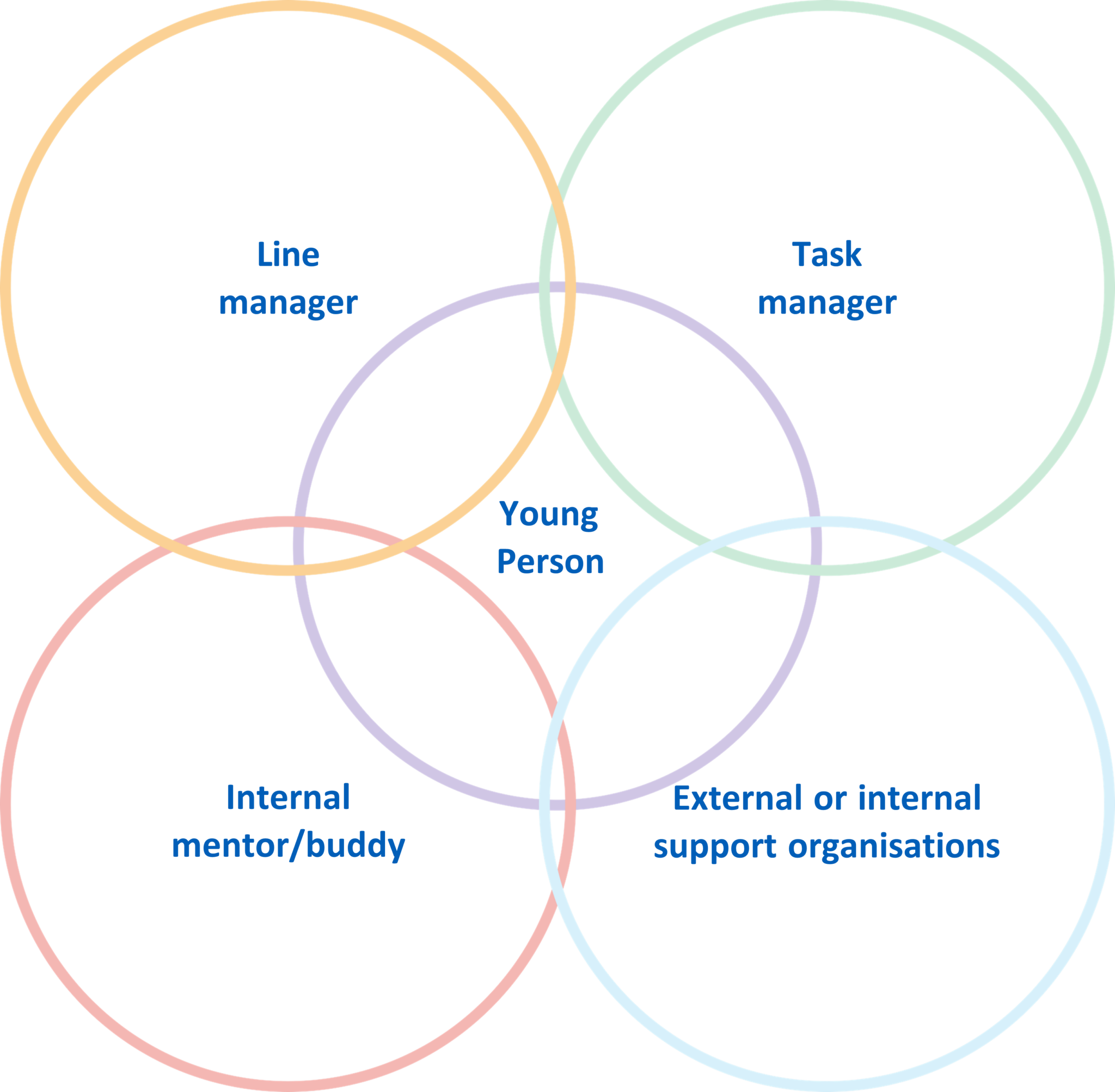
In NHS Birmingham and Solihull ICB, where James began his journey, they've established a regular internal communication network with representatives who can offer support, advice, and guidance on personal welfare, HR matters, recruitment, and inclusivity efforts.
The conventional NHS recruitment process—formal and potentially intimidating—has been thoughtfully adapted. Job advertisements now highlight character attributes rather than long lists of credentials. Applications have been redesigned to consider the particular difficulties care leavers might experience—from missing employment history to having limited internet access.
Perhaps most significantly, the Programme recognizes that starting a job can create specific difficulties for care leavers who may be navigating autonomy without the safety net of family resources. Matters like transportation costs, personal documentation, and banking arrangements—taken for granted by many—can become substantial hurdles.
The elegance of the Programme lies in its meticulous consideration—from outlining compensation information to offering travel loans until that critical first salary payment. Even apparently small matters like rest periods and workplace conduct are thoughtfully covered.
For James, whose career trajectory has "revolutionized" his life, the Programme offered more than work. It provided him a feeling of connection—that elusive quality that develops when someone feels valued not despite their history but because their unique life experiences improves the workplace.
"Working for the NHS isn't just about doctors and nurses," James notes, his __EXPRESSION__ revealing the subtle satisfaction of someone who has found his place. "It's about a collective of different jobs and roles, a group of people who really connect."
The NHS Universal Family Programme exemplifies more than an job scheme. It functions as a bold declaration that organizations can adapt to welcome those who have known different challenges. In doing so, they not only transform individual lives but enrich themselves through the distinct viewpoints that care leavers contribute.
As James walks the corridors, his participation quietly demonstrates that with the right support, care leavers can flourish in environments once deemed unattainable. The support that the NHS has offered through this Programme signifies not charity but recognition of untapped potential and the profound truth that everyone deserves a community that believes in them.
 <iframe width="640" height="360" src="//www.youtube.com/embed/2BBxhJfAhZA" frameborder="0" allowfullscreen style="float:left;padding:10px 10px 10px 0px;border:0px;"></iframe>













 조회 : 32






