The Ultimate Guide to Bean-To-Cup Espresso Machines
In an age where coffee culture has actually reached brand-new heights, the need for extraordinary home-brewed espresso is at an all-time high. Among the huge selection of coffee-making devices readily available, bean-to-cup espresso machines are ending up being increasingly popular. These machines guarantee the delightful experience of newly ground coffee beans changed into a rich Vintage Espresso Machine, all from the convenience of home. In this comprehensive guide, we will explore the complexities of bean-to-cup espresso machines, exploring their benefits, essential features, and providing a purchasing guide to help you make an informed choice.
What is a Bean-To-Cup Espresso Machine?
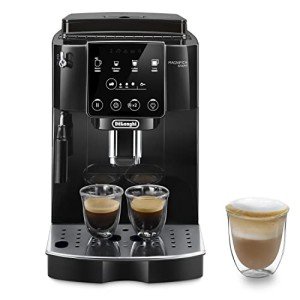
A bean-to-cup espresso machine automates the entire coffee-making process. It grinds the coffee beans, brews the espresso, and typically froths the milk, all at the touch of a button. This smooth experience permits coffee enthusiasts to take pleasure in café-quality beverages from the comfort of their homes.
Why Choose a Bean-To-Cup Espresso Machine?
| Pros | Cons |
|---|
| Newly ground coffee | Usually more pricey |
| Automated procedure | Can take up counter area |
| Customizable settings | Requires routine cleansing |
| Wide range of coffee types | Restricted to machine abilities |
| Often includes milk frothing | |
Advantages of Bean-To-Cup Espresso Machines
- Freshness: The grinding procedure occurs right before brewing, which suggests that the coffee maintains its freshness and fragrant qualities.
- Benefit: With just the push of a button, coffee fans can enjoy their preferred espresso without the requirement for a different grinder or steam wand.
- Personalization: Many designs enable users to change different parameters, such as the grind size, water temperature level, and milk frothing consistency.
- Space-Saving: By combining multiple devices, bean-to-cup machines minimize clutter on the counter top.
Secret Features to Look For
When shopping for a bean-to-cup espresso machine, it's important to think about a few crucial functions:
| Feature | Importance |
|---|
| Grind Settings | Identifies the consistency of the ground coffee. A broader range enables for more modification. |
| Brewing Pressure | A higher pressure generally leads to a much better extraction and richer espresso. Ideal pressure is around 9 bars. |
| Milk Frother | Important for coffees and lattes. Select between manual and automatic frothing options. |
| Easy Cleaning Mechanism | Look for machines with detachable elements and Automatic Espresso Machine UK cleansing cycles for benefit. |
| Water Tank Capacity | Larger tanks decrease the frequency of refilling, ideal for regular usage. |
| Interface | A digital display or app connectivity can boost user experience. |
Popular Bean-To-Cup Espresso Machines
Here are some popular models on the market today, highlighting their unique functions:
| Model | Grinder Type | Milk Frother | Pressure | Price Range |
|---|
| De'Longhi Dinamica | Cone-shaped | Automatic | 15 bars | ₤ 800 - ₤ 1,000 |
| Jura E8 | Ceramic | Automatic | 15 bars | ₤ 2,000 - ₤ 2,500 |
| Breville Oracle | Dual Boiler | Manual | 9 bars | ₤ 1,500 - ₤ 2,000 |
| Saeco Xelsis | Flat Burr | Automatic | 15 bars | ₤ 1,800 - ₤ 2,200 |
| Philips 3200 Series | Round | Manual | 15 bars | ₤ 600 - ₤ 800 |
How to Brew the Perfect Espresso
Using a bean-to-cup espresso machine may appear straightforward, but accomplishing the ideal espresso needs attention to information. Follow these steps for a scrumptious cup:
- Select Quality Beans: Start with fresh, premium coffee beans to make sure the best taste.
- Change Grind Size: Depending on the type of coffee bean and your taste preference, explore the grind size for optimal extraction.
- Water Temperature: Water regularly around 195 ° F to 205 ° F is ideal for espresso brewing.
- Tamp the Coffee: If your machine permits, tamp the coffee uniformly to guarantee uniform extraction.
- Monitor Brew Time: Aim for an extraction time of 25 to 30 seconds for the right balance of tastes and crema.
Frequently Asked Questions (FAQs)
1. What is the difference between a bean-to-cup machine and a traditional espresso machine?
A bean-to-cup machine automates the grinding and brewing processes, while standard Single Serve Espresso Machine machines often require manual intervention for grinding and tamping.
2. Are bean-to-cup machines easy to clean?
Many modern machines are created with ease of cleaning in mind, featuring detachable parts and automatic cleansing cycles. However, routine maintenance is essential for optimal efficiency.
3. Can I utilize pre-ground coffee in a bean-to-cup machine?
The majority of bean-to-cup machines are created particularly for whole beans. However, some models may have a bypass doser for using pre-ground coffee.
4. What sort of maintenance do bean-to-cup machines require?
Regular maintenance consists of cleaning up the coffee grounds container, water reservoir, and milk frother, as well as descaling the machine every few months, depending upon the water firmness in your location.
5. The length of time do bean-to-cup espresso machines last?
With appropriate care and upkeep, top quality bean-to-cup machines can last anywhere from 5 to 15 years.
A bean-to-cup espresso machine is an investment that can elevate your home coffee experience. Combining benefit and quality, these machines allow coffee fans to craft tasty espressos without the requirement for several devices. By understanding the crucial functions and following best practices, people can select the right model customized to their needs and choices. Whether you're an experienced barista or a casual sipper, checking out the world of bean-to-cup espresso machines is sure to brew up a wonderful experience.













 조회 : 27






